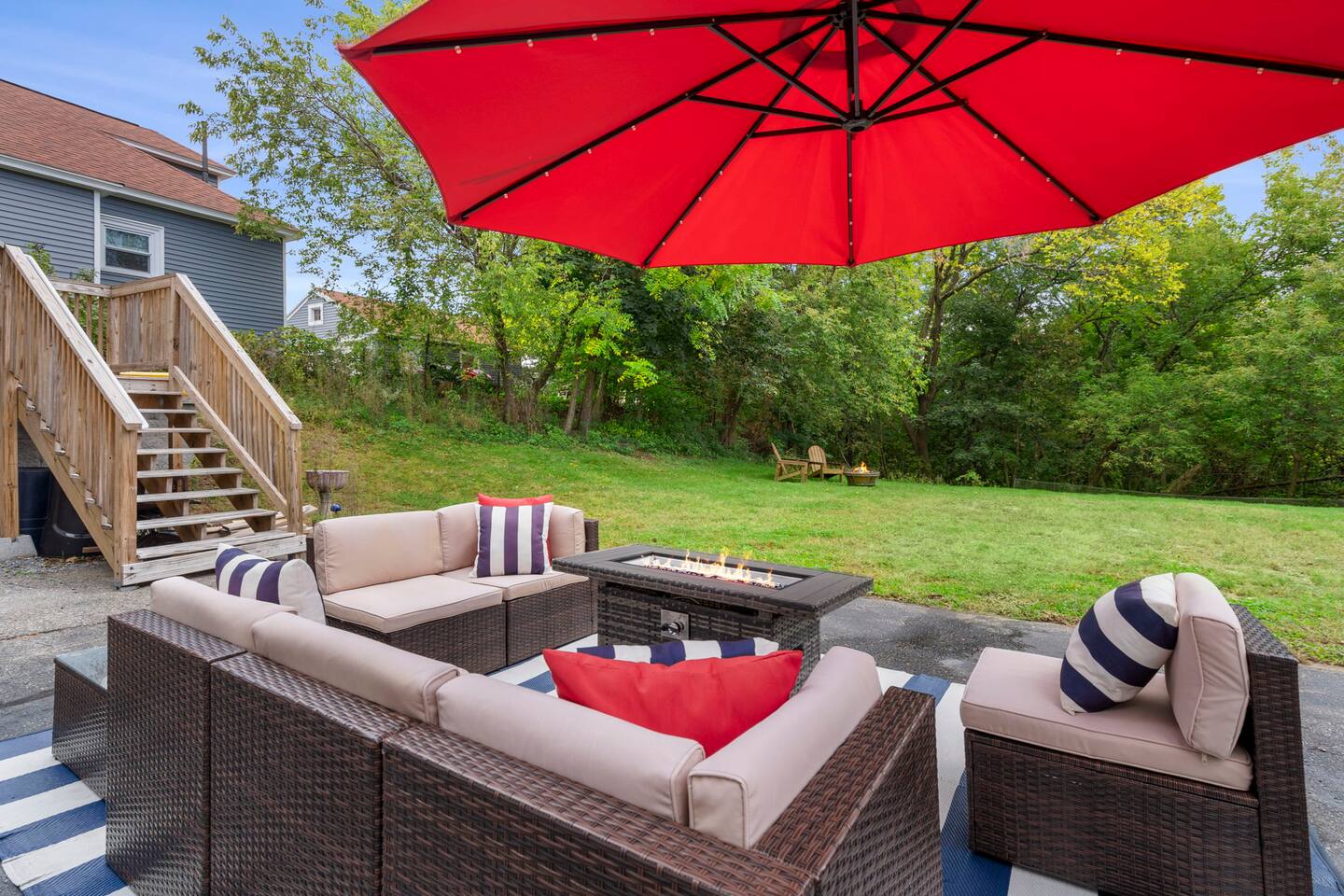
Who Rents Part Time, and Why
Part-time hosting is common in New England, where many homes are used by their owners for part of the year:
- Snowbirds who spend January to March somewhere warm and leave a house near a ski area empty.
- Lake house owners who use the place on summer weekends and rent the weeks in between, plus foliage season.
- Ski home owners who keep holiday week for family and rent the rest of the winter.
- Year-round residents who travel for a month in summer, or rent for a single big event weekend.
Each of these works, but part-time hosting is not simply "full-time hosting, less often." You still need to clear the rules, prepare the home, and handle turnovers, and you do it in a house that is also full of your own things.
Step 1: Check the Rules Apply to You Too
Renting a few weeks a year does not exempt you from most local rules. If your town requires short-term rental registration or a permit, it usually applies from the first booking. Condo and HOA rules apply too. Start with our permits and licenses overview and the state pages linked from the owner hub.
Step 2: Understand the 14-Day Tax Rule
Part-time hosts have a federal tax rule built for them. Under Internal Revenue Code section 280A(g), if you use the home as a residence and rent it for fewer than 15 days in the year, IRS Publication 527 says not to include that rent in your income, and you cannot deduct the rental expenses.
Once you rent 15 days or more, the rent is reportable, and a second test kicks in: if your personal use is more than the greater of 14 days or 10% of the days rented at a fair price, the home counts as "used as a home" and your rental deductions are limited to rental income. Days used by family members, or by anyone paying less than fair rent, count as personal days.
In Massachusetts, the state room occupancy excise has its own 14-day provision: no excise or fees are imposed on a short-term rental transferred for not more than 14 days in a calendar year, if the operator registers with the Department of Revenue and files an annual declaration first.
Plan your calendar with these lines in mind. For the full picture, read Airbnb tax basics for homeowners.
Step 3: Set up the Airbnb Calendar to Match Your Life
Airbnb's calendar tools do most of the work, if you set them before you publish:
- Block your own dates first. Airbnb's help center explains that you select nights on the listing calendar and mark them Available or Blocked. Blocked nights show with a line through the date. Block family weeks, holidays you will use and any repair windows before the listing goes live.
- Set your availability window. Airbnb lets you open your calendar 3, 6, 9, 12 or 24 months ahead. A part-time host may want a short window so guests cannot book a week you have not decided about yet.
- Use advance notice. This sets how much time you need between a booking and the guest's arrival, useful if you need a day to clear out personal items.
- Use preparation time. Airbnb lets you block time before and after each reservation, which gives a cleaner room to work in a home that is also lived in.
- Sync other calendars. If you also list on Vrbo or keep a family calendar, Airbnb's calendar sync imports other calendars that end in .ics. Airbnb says its calendar updates every 3 hours, and that blocks on an external calendar may not always transfer, so leave a buffer and check both.
A simple habit: once a month, look three months ahead and confirm every family date is blocked.
Step 4: Prepare the Home for Guests and for You
A home that is lived in needs a little more preparation than one that is not.
Lock away what matters. Set up an owner's closet or room with a keyed or coded lock for:
- Personal papers, mail, medications and valuables.
- Sentimental items and anything you would hate to see broken.
- Your own toiletries, clothes and food.
- Expensive tools, bikes, kayaks or gear you do not want used.
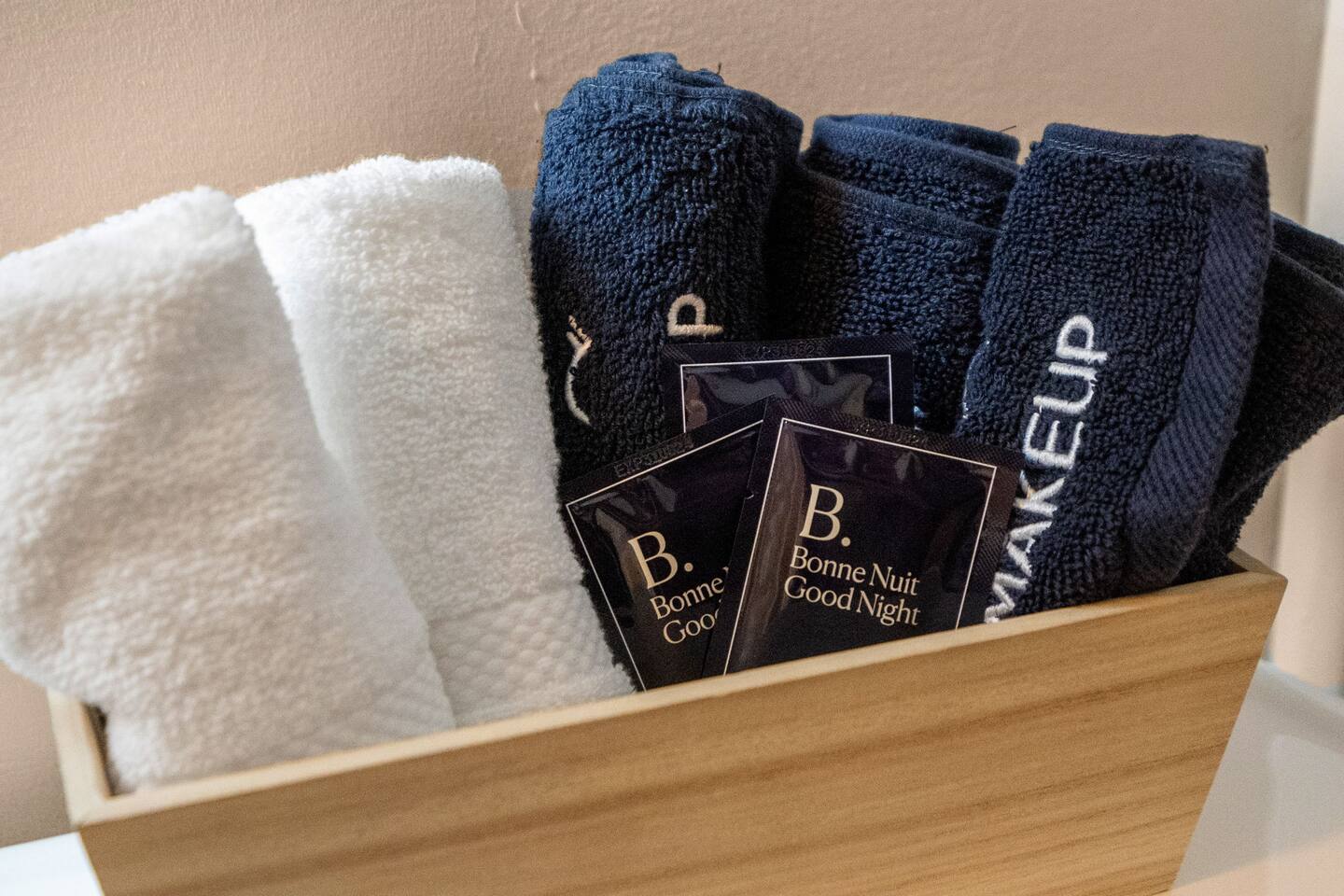
Leave what guests need. Clear closet space and dresser drawers, a guest set of linens and towels for every bed, kitchen basics, and clear instructions. A good house manual, with Wi-Fi, heat, trash day and checkout steps, prevents most questions; see what to put in an Airbnb guidebook.
Use self check-in. A smart lock lets you change codes for each stay and avoids hiding keys under the mat. Our page on smart locks for Airbnb hosts compares options.
Winterize thinking, not the house. If guests are coming in winter while you are away, someone must still handle plowing, heating fuel deliveries, a no-heat call and a frozen pipe. Line those people up before the first booking. Our winter rental management page covers that work.
Step 5: Insurance
A standard homeowners policy may not cover paid guests the way it covers your family. Call your insurer before you list and ask, in writing:
- Does my policy cover the home while it is rented short-term?
- Is there a limit on rental days, or an endorsement I need?
- How does liability coverage work if a guest is hurt?
Airbnb's AirCover for Hosts includes $3 million in host damage protection and $1 million in host liability insurance, according to Airbnb's help center. Airbnb also says damage protection is not an insurance policy, and that AirCover "is not a substitute for personal insurance." Talk to your insurer about how your policy and AirCover overlap.
Step 6: Decide Who Handles Turnovers
When you are home, turnovers are your job. When you are in Florida, they are someone else's. Part-time hosts usually choose one of three setups:
- A trusted local cleaner you pay per turnover, with a backup for when they are sick or booked.
- A co-host who handles guest messages and coordinates cleaning while you keep control of the listing.
- A full-service manager who runs the rental side while you set the dates you keep.
New England Host Co offers both full-service management and co-hosting as separate options. With full-service management, housekeeping and an inspection happen at the same visit after every stay, and pricing is reviewed daily. Costs of your own owner stays remain yours. If that sounds useful, you can ask about it through the contact page or at (978) 672-4578.
Common Mistakes Part-Time Hosts Make
- Forgetting to block personal dates before the calendar opens a year ahead.
- Leaving the fridge, closets and drawers full, then getting reviews that say the home felt lived in.
- Taking a booking that starts the day you leave, with no time to clean and pack.
- Counting on a few weeks of rent without checking the 14-day rule, local registration and lodging taxes.
- No local backup for a lockout, a power outage or a snowstorm.
FAQ
Can I Rent My Home on Airbnb Only When I Travel?
Yes. Block the dates you will be home on the listing calendar and open only the dates you are away. Local registration and tax rules still apply to the nights you rent.
Do I Owe Tax If I Rent for Just Two Weeks?
If you use the home as a residence and rent it for fewer than 15 days in the year, IRS Publication 527 says not to include the rent in income. Check state lodging tax rules separately.
How Do I Stop Guests Booking Dates I Might Want?
Shorten Airbnb's availability window (3, 6, 9, 12 or 24 months) and block family dates first. You can open more dates later.
Does My Homeowners Insurance Cover Airbnb Guests?
It depends on your policy. Ask your insurer in writing. Airbnb says AirCover for Hosts is not a substitute for personal insurance.
Sources
- IRS Publication 527, Residential Rental Property
- 26 U.S. Code section 280A
- Mass. General Laws chapter 64G, section 3
- Airbnb Help Center: Updating your host calendar
- Airbnb Help Center: Choose how far in advance guests can book
- Airbnb Help Center: Preparation time between reservations
- Airbnb Help Center: Sync your calendar with other websites
- Airbnb Help Center: Getting protected through AirCover for Hosts