
Part of the Short-Term Rental Management Guide, step 1: learn
Why the Type of Home Matters
Two homes with the same bedroom count can run very differently: a lake house earns its year in a short summer, while a ski home is busiest when the roads are worst. Property type helps answer three questions:
- When will guests come? The season shapes pricing, staffing and how much owner use fits in.
- What will break or need doing? Docks, hot tubs, wood stoves, septic systems and snow each bring their own chores.
- Which rules apply? Shoreland, flood, condo, occupancy and fire safety rules depend as much on the kind of property as on the town.
If you are still deciding whether to rent at all, start with is my home a good Airbnb? and come back here.
The Property Types at a Glance
| Type | Main season | What it usually needs | First rule to check |
|---|---|---|---|
| Lake house | Ice out through foliage | Dock and boat rules, septic capacity, shoreland limits on changes | Town zoning and state shoreland rules |
| Waterfront home (ocean, bay, river) | Summer, some year-round | Storm prep, flood insurance, salt and wind wear | Flood zone and conservation commission |
| Beach house (MA coast) | Late June to Labor Day | Beach parking or sticker info, outdoor shower, sand control, weekly turnovers | Town rules and the state registry |
| Ski home | December to March | Plowing, roof snow, freeze protection, gear storage | Town zoning and, in Vermont, fire safety rules |
| Mountain cabin | Year-round, peaks in fall and winter | Road access, wood stove rules, well and septic, internet | Road status and heating safety |
| Condo | Depends on location | Association approval, parking, quiet hours | The declaration and bylaws |
| Single-family home | Depends on location | Neighbors, parking, yard and snow care | Local zoning |
| Large group home (sleeps 12+) | Holidays, reunions, summer weeks | Septic and parking capacity, house rules, more linens | Occupancy limits |
| Luxury home | Peak weeks and holidays | High finish standards, detailed inspections | Insurance limits |
| Hot tub rental | Winter and fall | Water care between stays, cover, posted rules | Insurer and any local rules |
| Pet-friendly rental | Year-round | Extra cleaning, damage policy, yard or fence | Platform pet and assistance animal rules |
| Seasonal second home | Whatever weeks you are not there | Owner closet, calendar blocks, winterizing | Tax rules on personal use |
Each type has its own page in this section.
Water Homes: Lakes, Coast and Beaches
New England water homes split into three groups that look alike in photos but run differently.
Inland lake houses on Winnipesaukee, Squam, Sunapee and smaller lakes live by ice out, dock season and septic systems. In New Hampshire, the Shoreland Water Quality Protection Act covers all land within 250 feet of the reference line of public waters, so adding a patio, a bedroom or a bigger dock is not a casual project. See lake houses and our Lakes Region page.
Waterfront homes on the ocean, a bay or a river add storm, flood and erosion questions. FEMA notes that most homeowners insurance does not cover flood damage, and work near the water often needs local approval. That page focuses on the property side of living with salt water and tides.
Beach houses in Massachusetts coastal towns mean week-long summer stays, town-by-town beach parking rules and sand in everything. See beach houses.
Snow Homes: Ski Houses and Mountain Cabins
A ski home near Okemo, Killington, Stowe, Loon or Bretton Woods books hardest in the weeks when the driveway needs plowing before dawn and the roof may need raking. Guests expect a warm house, a place for wet boots and gear, and a clear path to the door.
Mountain cabins in the White Mountains and Green Mountains share the snow work and add private or seasonal roads, wood stoves, wells and septic, and patchy internet.
In Vermont, the Division of Fire Safety's short-term rental guidance sets an occupant load of 8 people or less in a rented single dwelling unless the Division identifies a higher number in an official report, and asks owners to complete its Short-Term Rental Checklist and leave it visible in the rental (as of October 2026).
Homes Defined by Who Stays
Condos in ski and lake resorts can be easy to rent, if the association allows it. Read the declaration, bylaws and rules first.
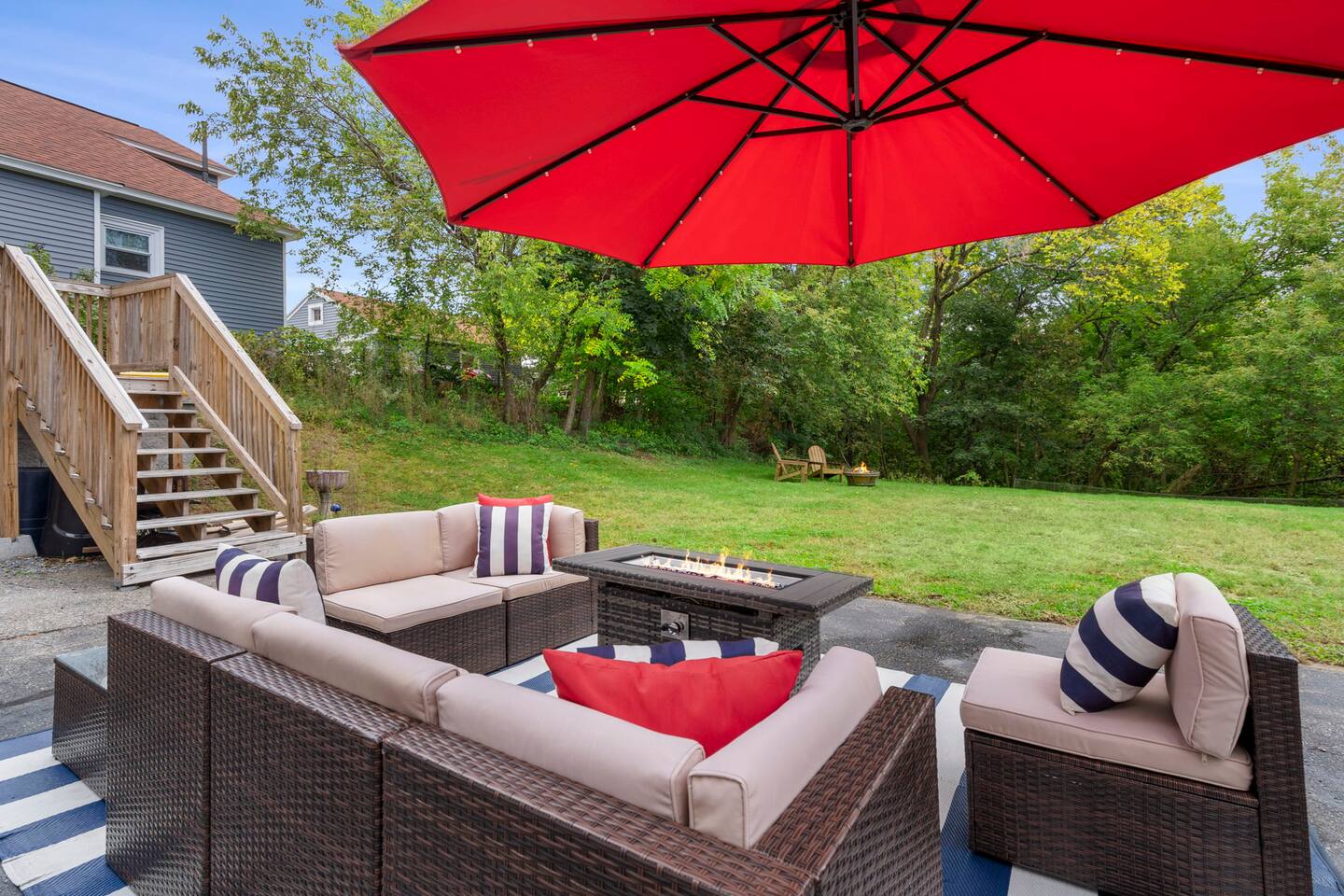
Single-family homes give you more control but put you closer to neighbors, which makes parking, trash, noise and snow removal the issues to plan for.
Large group homes that sleep 12 or more attract reunions, weddings and holiday groups. They need septic and parking that match the guest count, more linens and a firm guest cap. Strolling Woods, an 8-bedroom Webster Lake estate in Franklin, New Hampshire that sleeps 22, is one New England Host Co manages. See large group homes.
Luxury homes are less about price and more about standards: every stay is inspected as if it were the first.
Homes Defined by an Amenity or by the Owner
Hot tub rentals are popular in ski and foliage season, but the tub has to be tested, treated and covered between every stay, and your insurer needs to know about it.
Pet-friendly rentals add guests and cleaning. On Airbnb, a host may not charge pet fees or extra cleaning fees for a service animal, as Airbnb's assistance animal policy states as of October 2026.
Seasonal second homes are for owners who keep the best weeks and rent the rest, which raises calendar, storage and tax questions.
Rules That Follow Every Type
Three layers apply to every type:
- State tax registration. In Massachusetts, Chapter 337 of the Acts of 2018 says a person shall not operate a short-term rental unless a certificate of registration has been issued under section 67 of chapter 62C, and requires an operator to carry at least $1,000,000 of liability insurance per rental unless the hosting platform maintains equal or greater coverage. New Hampshire and Vermont have their own rooms tax registrations.
- Town zoning or registration. This varies by town, sometimes by zone within a town.
- Fire and building safety. Smoke and carbon monoxide alarms, egress from bedrooms and posted safety information.
Our permits and licenses overview walks through all three by state.
Where New England Host Co Fits
New England Host Co manages lake, ski and in-town homes in Southern New Hampshire, the Lakes Region, Central Massachusetts and Southern Vermont, with every home within 45 minutes of its crew's base. Housekeeping and an inspection happen after every stay, at the same visit, and pricing is reviewed daily in PriceLabs. To talk about your home, start at the owner hub.
FAQ
Can I Rent a Condo on Airbnb?
Only if your association's documents allow it. Many condo declarations or rules set minimum rental terms or ban short stays, so read them and ask the board before you list.
Do Lake and Ocean Homes Need Different Insurance?
Often, yes. Coastal and river homes may sit in a flood zone, and flood damage is usually covered by a separate flood policy. Ask your agent about both rental use and flood coverage.
How Many Guests Can a Vermont Rental Sleep?
Vermont's Division of Fire Safety sets an occupant load of 8 people or less in a rented single dwelling unless it approves more in an official report, as of October 2026.
Can I Charge a Pet Fee for a Service Animal?
Not on Airbnb. Its assistance animal policy says hosts may not charge pet fees or additional cleaning fees for a service animal.