Why There Are No Price Ranges on This Page
Setup costs depend on the size of the home, what you already own, where you shop and how much of the work you do yourself. We did not find a public, sourced set of figures we would stand behind for New England homes, so instead of quoting ranges, this page gives you the complete list and a method to build your own budget. A spreadsheet with your own quotes is far more useful than a national average.
How to Build Your Budget
- Walk the house with this checklist and mark each item: keep, replace or buy.
- Price the "buy" items from two or three retailers, and get written quotes for anything involving a trade (electrician, locksmith, photographer).
- Multiply by the number of beds and baths. Linens and towels scale with sleeping capacity, not rooms.
- Add 10 to 15% for what you forgot. Every owner forgets something, from shower curtain rings to a step stool.
- Count it as cash invested when you work out your return. See vacation rental ROI.
Bedrooms
- Mattress and mattress protector for each bed (a waterproof protector on every mattress)
- Bed frame and headboard
- Pillows (two per sleeper is a common standard) and pillow protectors
- Duvet or comforter plus inserts, and a spare blanket per bed for cold nights
- Nightstands and lamps on both sides of the bed where space allows
- Blackout curtains or blinds
- Hangers, luggage rack, a mirror
- Bunk beds or a sleeper sofa if you want to raise sleeping capacity (check your town's occupancy limits and septic design first)
Linens and Towels
The common rule of thumb is to keep at least two or three full sets per bed: one on the bed, one in the laundry, one spare. Count:
- Sheet sets per bed, by bed size
- Pillowcases per pillow
- Bath towels, hand towels and washcloths per guest
- Bath mats per bathroom
- Kitchen towels
- Beach or pool towels for a lake house
- Spares for the night a guest spills red wine
White or light linens are easiest for cleaners to check and bleach. Ask your cleaner how they want linens stored and labeled. See our cleaning checklist items for what turnovers need.
Bathrooms
- Shower curtain and liner, or a clear shower door
- Toilet brush and plunger in every bathroom
- Hair dryer
- Wastebasket with lid
- Refillable soap, shampoo and conditioner dispensers
- Starter consumables: toilet paper, tissues, soap
Kitchen
- Cookware: frying pans, saucepans, a stockpot, baking sheet, roasting pan
- Knives, cutting boards, utensils, can opener, corkscrew
- Dishes, glasses, mugs and flatware for at least the maximum number of guests, plus extras
- Coffee maker (and a second type if you can, such as a pour-over or pod machine)
- Toaster, kettle, blender
- Food storage containers, foil and wrap
- Dish soap, sponges, dishwasher pods, paper towels, trash bags
- Salt, pepper, oil and basic spices
- For a lake home: a cooler, picnic supplies and outdoor dinnerware
Living Areas and Outdoor Space
- Sofa and chairs for every guest the home sleeps
- Dining table seating everyone
- Smart TV and streaming, plus reliable Wi-Fi
- Board games, puzzles, books
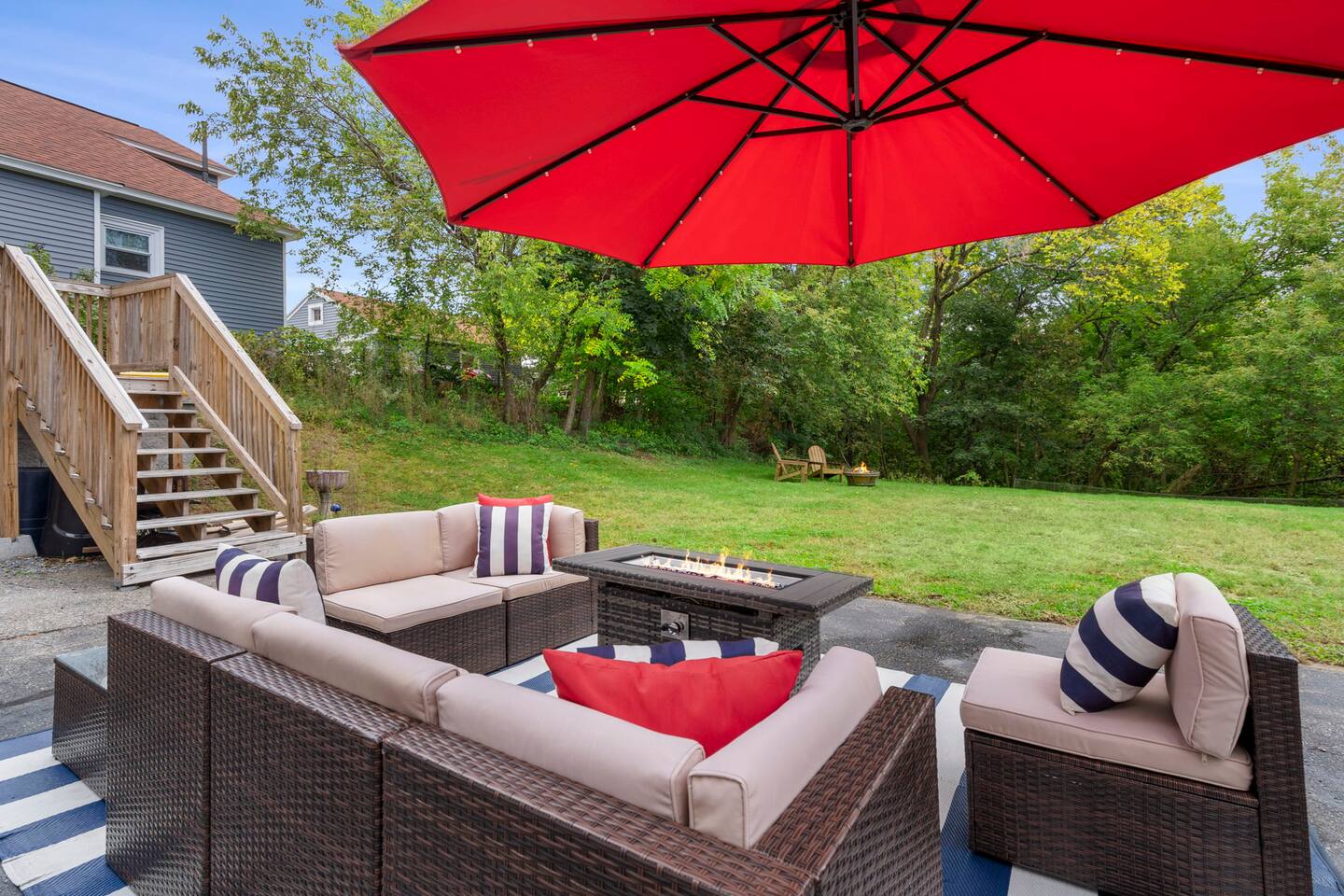
- Outdoor furniture, grill, fire pit (check town rules and your insurer)
- For winter: boot trays, a mudroom bench, a shovel and ice melt by the door, extra blankets
- For summer at the lake: life jackets in a range of sizes if you provide boats or kayaks (check your insurer first)
See amenities that boost bookings for what New England guests look for.
Safety Gear
Safety comes before decor. Rules on smoke and carbon monoxide alarms, egress and fire extinguishers differ by state and town, so read our insurance and safety page and check with the town fire department before you list. At a minimum, budget for:
- Smoke alarms and carbon monoxide alarms where required, tested and dated
- Fire extinguishers in the kitchen and near any wood stove
- A first aid kit
- Flashlights, since winter storms knock out power
- Clear exit signage or a floor plan for larger homes
- Pool, hot tub or dock safety items if you have them
Access and Technology
- A smart lock with unique codes per guest. See smart locks for Airbnb hosts.
- A backup key in a lockbox
- A smart thermostat, so you can protect the pipes and save fuel between stays
- A noise decibel monitor, if you want one. Airbnb allows them indoors if you disclose them and keep them out of bedrooms, bathrooms and sleeping areas, but it does not allow security cameras that monitor indoor spaces, even switched off
- Water leak sensors near the water heater, washer and any pipes on outside walls
- A low-temperature alert, which matters in a New England winter
Listing and Launch
- Professional photography, ideally in the season you will market first
- Written listing copy and house rules
- A digital or printed guidebook (see what to put in a guidebook)
- Starter consumables for the first few stays
- A deep clean before the first guest
Registrations and Licenses
These are one-time or recurring obligations you should complete before your first booking. We have not listed fees, because any town permit fee depends on your town; ask the office directly.
| State | What to complete | Where |
|---|---|---|
| New Hampshire | Meals and Rooms (Rentals) operator's license; NH RSA 78-A:4 requires each owner or operator to register with the Department before offering sleeping accommodations | NH Department of Revenue Administration, via Granite Tax Connect |
| Massachusetts | Registration with the Department of Revenue and a Certificate of Registration for each property (post it in the property and give the number to any platform you use) | MassTaxConnect |
| Vermont | A Vermont business tax account and a Meals and Rooms Tax license | Vermont Department of Taxes, via myVTax |
| All three | Any town or city permit, registration or inspection, and zoning approval if required | Your town's planning, zoning or code office |
The full picture by state is on permits and licenses.
Ongoing Costs Are a Separate Budget
Setup is a one-time cost. Heat, plowing, cleaning, supplies and platform fees come every month. Plan for them separately using net vs gross income.
Where New England Host Co Fits
New England Host Co's full-service management includes listing creation and optimization, photography and copywriting, in Southern New Hampshire, the Lakes Region, Central Massachusetts and Southern Vermont. Owners pay license and permit fees and consumables (rebilled at cost). For a free property analysis, call (978) 672-4578 or use the contact page. The rest of this series is in the owner hub.
FAQ
How Many Sets of Sheets Do I Need per Bed?
A common rule of thumb is two to three full sets per bed, so one is on the bed, one is in the wash and one is spare. If your turnovers are back to back and laundry is done off site, you may need more.
Can I Use My Own Furniture?
Yes, if it is sturdy, comfortable and easy to clean. Remove anything sentimental or fragile, and lock away personal items in an owner closet.
What Registration Do I Need Before My First Booking?
At the state level: an operator's license in New Hampshire, a DOR registration and certificate in Massachusetts, or a Meals and Rooms Tax license in Vermont. Then check your town for any local permit or zoning rule.
Should I Buy Professional Photos?
Photos are the first thing guests see, so most owners treat them as part of setup. Shoot when the home looks its best, and reshoot if you add major features or want winter and summer sets.
Are Setup Costs Tax Deductible?
Some may be deductible or depreciated over time, depending on the item and how you use the home. Ask a tax professional and see our tax basics for homeowners.
Sources
- NH Department of Revenue Administration: Meals and Rooms (Rentals) Tax
- Massachusetts DOR: Room Occupancy Excise Tax
- Vermont Department of Taxes: Meals and Rooms Tax
- Airbnb Help Center: Use of cameras and recording devices
- IRS Publication 527, Residential Rental Property
This page is general information, not legal or tax advice; check with your town or a professional before you rely on it.