Part of the Short-Term Rental Management Guide, step 3: decide
The Vermont Market
Vermont's rental demand follows its seasons, and two of them are among the strongest in the Northeast.
- Winter. Ski Vermont, the state ski areas association, reported 4.36 million alpine skier visits for the 2025-26 season, up 4.7% from the year before and the most since 2014-15. It calls Vermont the top ski state in the East. Ski towns such as Ludlow (Okemo), Killington and Stowe build their winter around that traffic, with holiday and school vacation weeks the ones owners plan for first.
- Fall. Foliage color starts in the higher, cooler areas and moves down into the valleys and from north to south across the state, so peak arrives at different times in different towns, and the timing shifts with the weather each year. For a rental, that means a long season of foliage weekends rather than a single one.
- Summer. Lakes, hiking and small-town festivals. Mount Mansfield above Stowe is the state's highest peak at 4,393 feet, and Lake Champlain shapes the Burlington area's summers.
- Spring. Mud season is the quiet stretch almost everywhere.
Our pages on winter rental management and the best fall foliage towns for vacation rentals go deeper.
Where We Work in Vermont
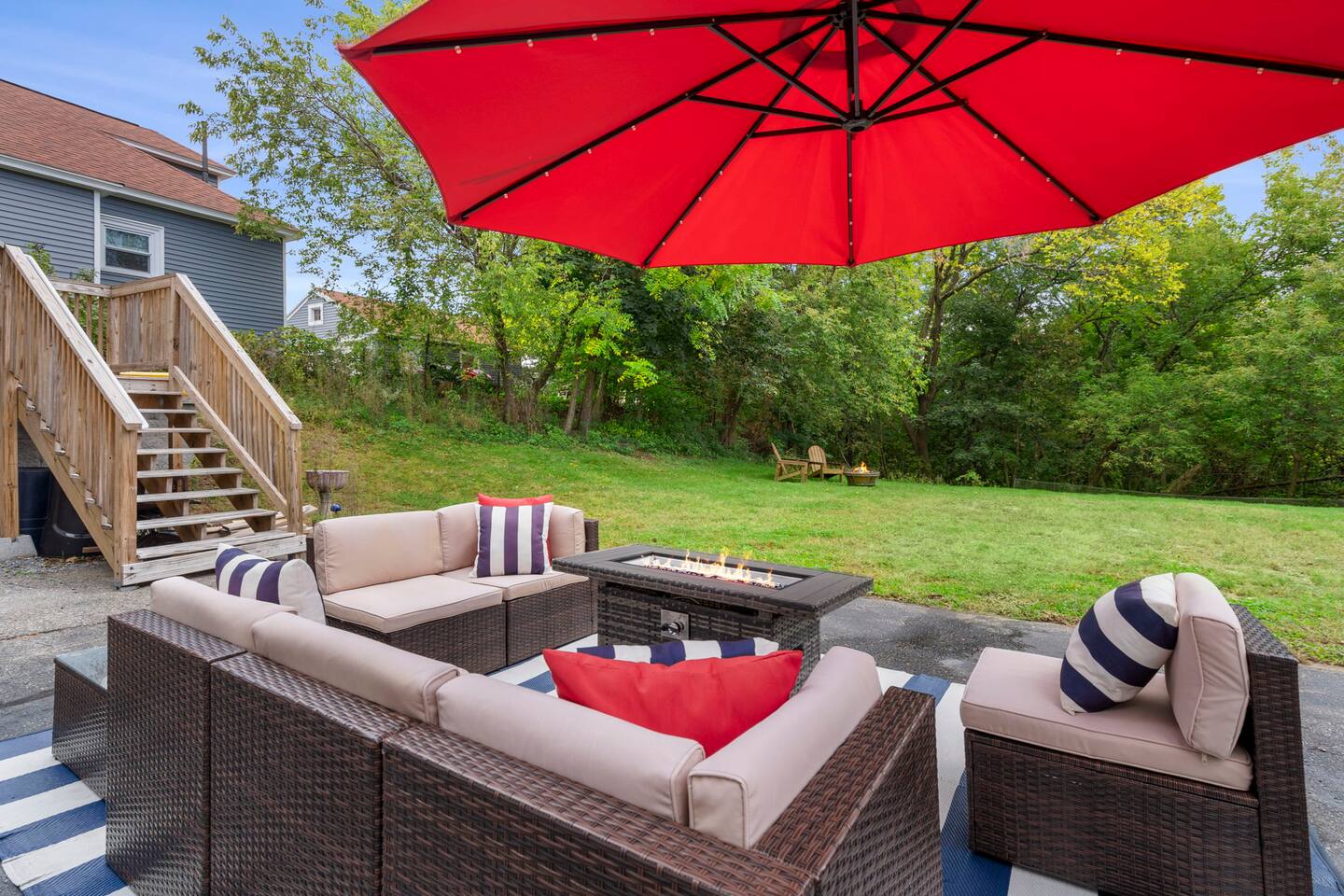
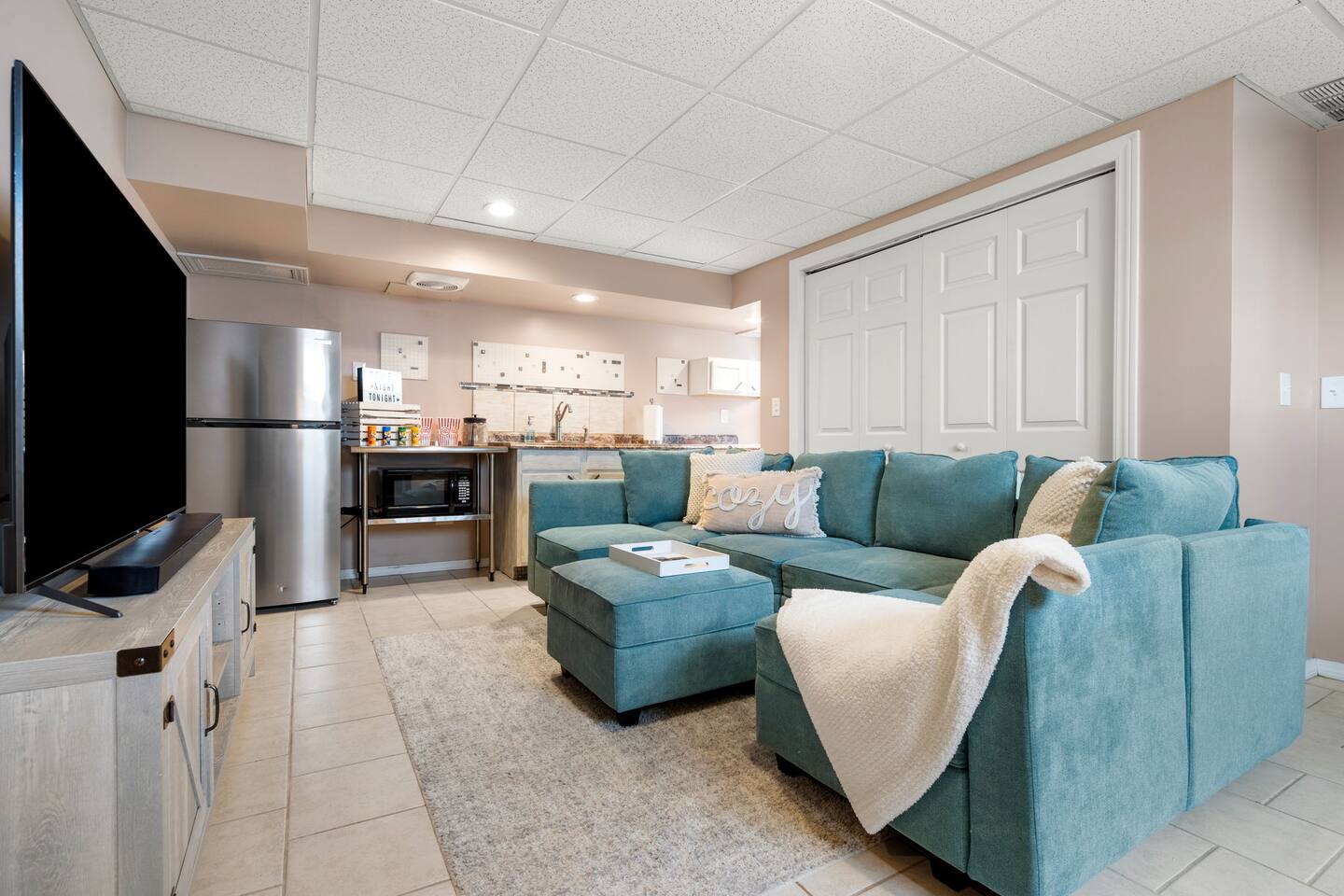
New England Host Co manages short-term rentals in Vermont statewide, and today manages a modern 3-bedroom, 2-bath home three minutes from Okemo Mountain in Ludlow. The rule that decides coverage is the same everywhere we work: every home must be within 45 minutes of its crew's base. Send us your address and we will confirm.
Full-service management includes listing creation and photography, daily PriceLabs pricing from competitor pricing and market demand, guest messaging, and housekeeping with an inspection after every stay, by local crews and vendors we engage and manage. More on the Okemo area is on our Okemo vacation rental management page.
Vermont Rules and Taxes in Brief
As of October 2026, the main state-level points are:
- Rooms taxes. A 9% rooms tax, a 3% short-term rental surcharge (since August 1, 2024, under Act 183 of 2024), and a 1% local option rooms tax in towns that adopted one. That is 12% in most towns and 13% in local option towns such as Ludlow.
- Platform collection. Platforms collect and remit these taxes on their bookings; for direct bookings you register with the Department of Taxes and file on myVTax.
- Fire safety. The Division of Fire Safety treats a rented single dwelling unit as 8 occupants or fewer unless it says otherwise. Sleeping more takes a change of use inspection and lodging-level code. Owners use the Division's Short-Term Rental Checklist and leave a copy in the home.
- Posting. Post the phone number of the person responsible for the unit, and contact information for the Department of Health and the Division of Fire Safety.
- Town rules. Towns may regulate short-term rentals by ordinance, as long as the rules do not hurt the supply of long-term housing. Rules therefore vary town to town; ask the zoning administrator before you list.
Local option taxes keep spreading. On Town Meeting Day in March 2026, about 20 Vermont communities voted on local option taxes, according to WCAX, and the state's own list is the place to check your town. At the state level, a bill to create a statewide registry and host-occupancy rules (H.242) was introduced in February 2025 but, per the Legislature's bill page, did not get past its first committee.
The full detail is on our Vermont short-term rental rules and taxes page, and Ludlow's own situation, including its long registry debate, is on the Ludlow rules page.
Vermont's Rental Regions at a Glance
- The Shires and the Deerfield Valley. Southwestern Vermont: Bennington, Dorset and Manchester, and the Mount Snow area around Dover and Wilmington. The closest Vermont ski country to southern New England, and busy in foliage season.
- The Okemo Valley. Ludlow and Okemo, where we manage a home today, plus Weston and nearby villages.
- Stone Valley. Killington, Rutland and Lake Bomoseen: big-mountain skiing in winter and lake summers.
- The Upper Green Mountains. Stowe and Waterbury, under Mount Mansfield, with strong summers as well as ski season.
- The Lower Connecticut River Valley. Brattleboro and the river towns along Interstate 91.
FAQ
What Taxes Do Vermont Short-Term Rentals Pay?
As of October 2026, 9% rooms tax plus the 3% short-term rental surcharge, for 12%, or 13% in a town with the 1% local option rooms tax. Platforms collect on their bookings; you file for direct bookings.
How Many Guests Can a Vermont Rental Sleep?
The Division of Fire Safety treats a rented single dwelling unit as 8 people or fewer unless a Division report says otherwise. Sleeping more requires a change of use inspection and lodging-level code compliance.
Does New England Host Co Manage Outside Ludlow?
Yes. We manage in Vermont statewide, as long as the home is within 45 minutes of its crew's base. Send us your address and we will confirm.
This page is general information as of October 2026, not legal or tax advice; check with the Vermont Department of Taxes and your town before you list.
Sources
- Short-Term Rentals, Vermont Department of Taxes
- Local Option Tax, Vermont Department of Taxes
- Short-Term Rental / Transient Lodging, Vermont Division of Fire Safety
- 24 V.S.A. section 2291, Enumeration of powers (Vermont Legislature)
- H.242, An act relating to regulating short-term rentals (Vermont Legislature)
- Ski Vermont reports strongest skier visits since 2014-15 (Vermont Business Magazine)
- 20 Vermont communities vote on local option taxes on Town Meeting Day (WCAX, March 2026)
- Vermont fall foliage guide (Vermont.com)
- Mount Mansfield, Wikipedia