How We Picked
We thought about a ski day from start to finish: loading the car in a dark driveway, wet gear coming back through the door, a soak or a fire in the evening, and a storm that keeps everyone inside. Each amenity below solves one of those moments. Where an amenity has a safety or legal side, we checked the relevant agency (Vermont's Division of Fire Safety, the CDC, the EPA and the U.S. Department of Energy) in September 2026.
We have not claimed a booking or revenue lift for any of these. What they do is make winter stays go smoothly, protect the house, and help the listing match what ski guests search for. For weighing cost against value, see our amenity ROI guide.
1. Ski and Snowboard Storage
Guests need somewhere to put skis and boards that is not the living room. Wall racks in a garage, mudroom or covered entry keep edges off the floors and gear out of the way.
Good to know: A lockable storage spot is a plus for guests who bring expensive equipment. Mention it clearly in the listing and the arrival message.
2. Boot Dryers and Glove Dryers
Nothing ends a ski trip faster than putting on wet boots. Plug-in boot dryers (enough for every bed in the house) and a glove rack by the heat mean everyone starts the next day dry.
Good to know: Put them where wet gear lands, not in a bedroom, and check them at every inspection.
3. A Mudroom or Winter Drop Zone
A bench, sturdy hooks, a boot tray and a mat at the main entry keep snow and salt where they belong. If the house has no mudroom, a defined corner of the entry with the same items still works.
Good to know: Durable flooring and a washable runner make turnovers faster in March, when snowmelt and mud arrive together.
4. Hot Tub
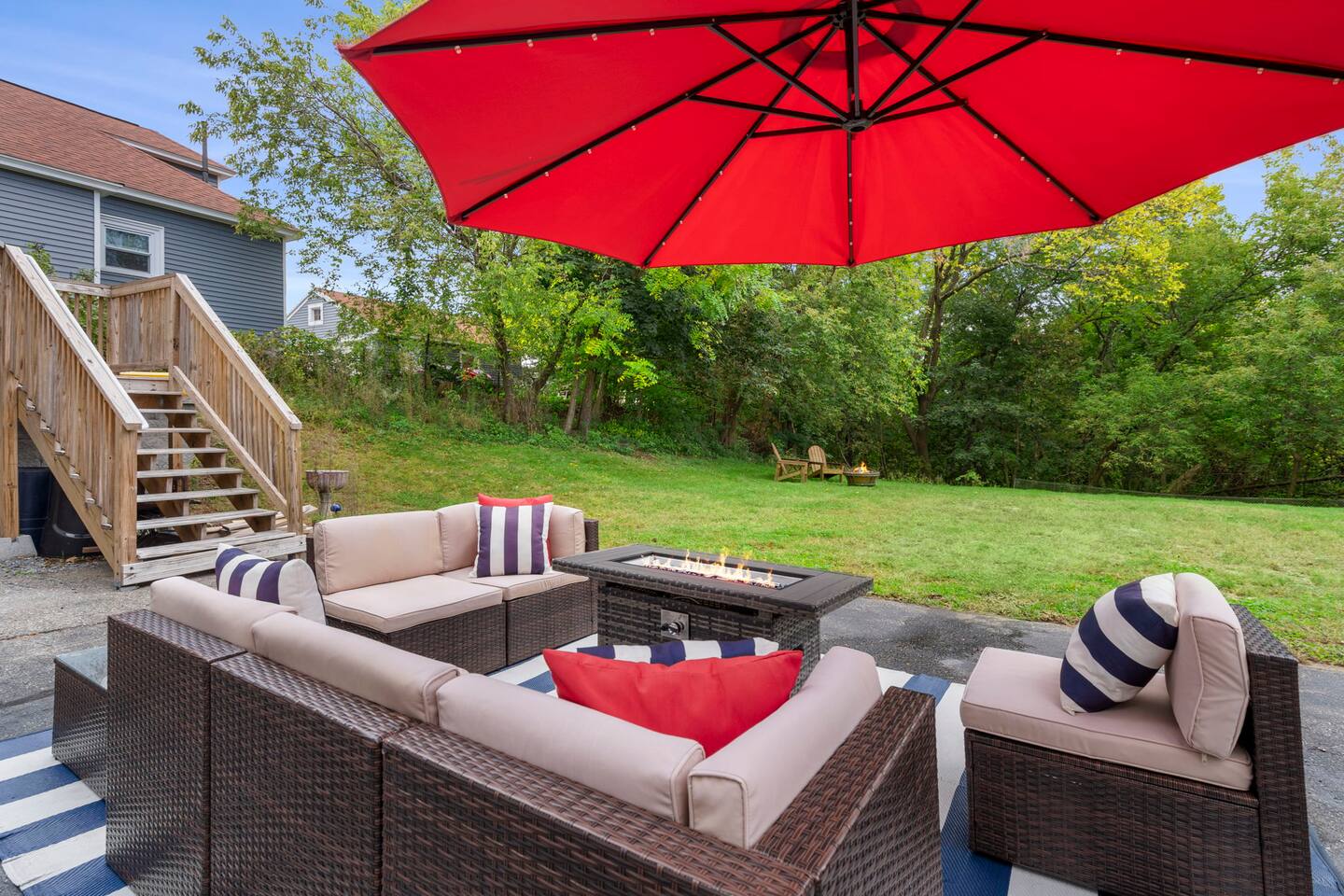
Hot tub is one of Airbnb's search filters, and after a ski day it is the amenity guests picture first. Winter adds work: keep the path to the tub shoveled and lit, clear snow from the cover, and watch for freeze risk during power outages. The CDC recommends checking hot tub water with test strips for disinfectant level and pH.
Good to know: A locking cover and posted house rules for the tub are basic safety steps.
5. Indoor Fireplace or Wood Stove
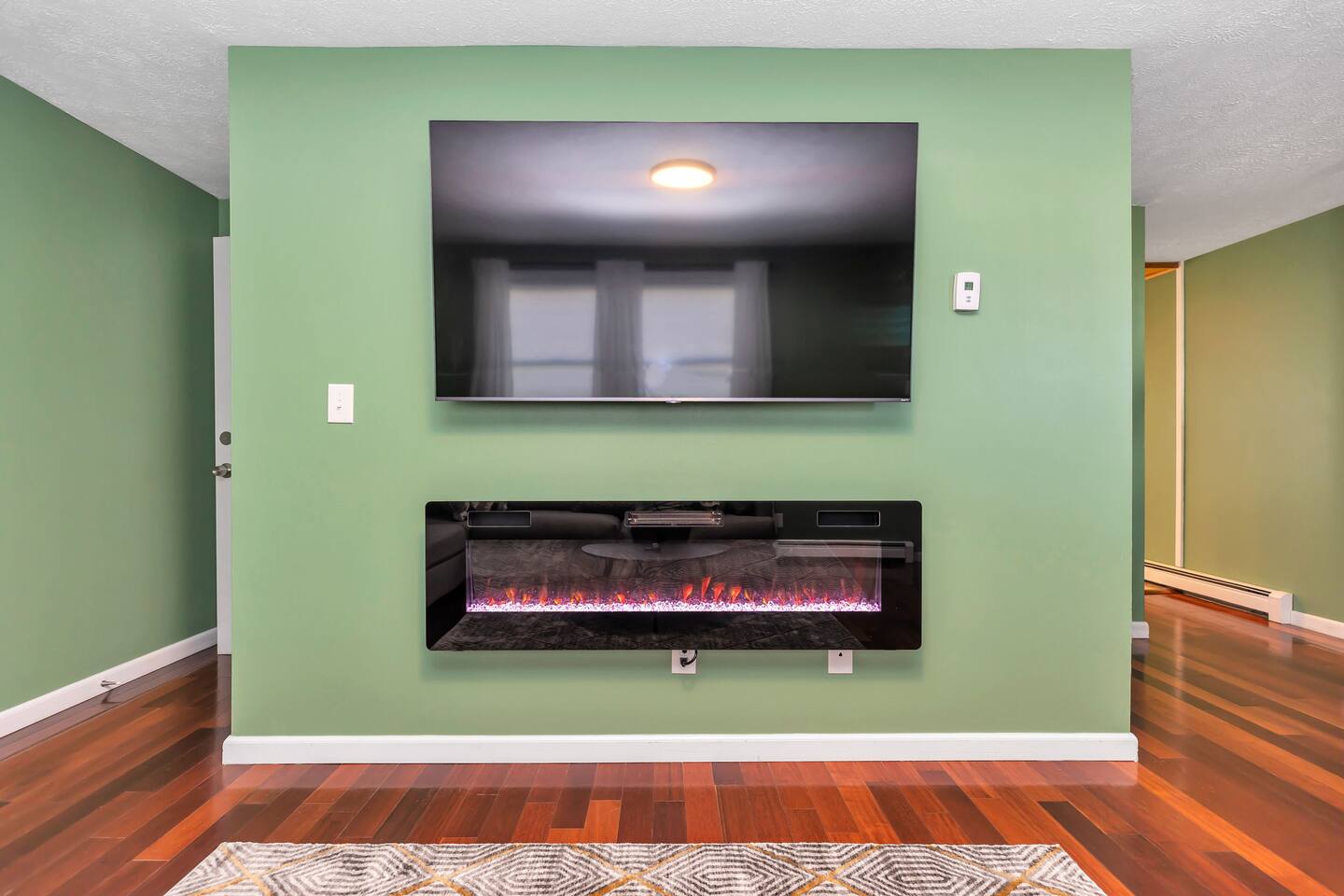
"Indoor fireplace" is also an Airbnb filter. In Vermont, the Division of Fire Safety requires short-term rental owners who let guests use a wood-fired fireplace or stove to provide clear usage instructions and a metal ash bin with a lid. It also requires a carbon monoxide alarm in each sleeping room that contains a fuel-burning appliance or fireplace.
Good to know: The EPA's Burn Wise program has guidance on certified stoves and burning dry wood. Keep a stocked, covered wood supply so guests never burn whatever they find.
6. Reliable Heat and a Smart Thermostat
A cold house on arrival after a long drive is a bad first impression. A smart thermostat lets you warm the home before check-in and set a safe minimum between stays.
Good to know: Set a floor temperature guests cannot override, to protect the pipes when a group leaves the heat off.
7. Freeze and Leak Sensors
Temperature and water-leak sensors near the water heater, under sinks and in the basement alert you to a problem while it is still small. For an absentee owner, they are one of the most practical winter additions to a ski home.
Good to know: Make sure someone local receives the alerts and can get to the house quickly.
8. Plowed Parking and a Clear, Safe Path
Airbnb has a filter for free parking on premises, but in winter the real question is whether the parking is usable at 7 a.m. after a storm. Line up snow removal before the season, and keep ice melt and a shovel by the door for guests.
Good to know: Tell guests how many vehicles fit when the driveway has snowbanks, not just in summer.
9. Backup Power, Planned Safely
Winter storms can knock out power in ski country. A permanently installed standby generator keeps heat and pumps running and protects the house.
Good to know: Portable generators produce carbon monoxide. Never leave one for guests to run, and have any standby unit installed by a licensed electrician.
10. EV Charger
EV charger is an Airbnb filter, and a ski home is often far from public charging. The U.S. Department of Energy's Alternative Fuels Data Center says Level 2 equipment on 240-volt service can charge a typical EV battery overnight, which fits a ski day well.
Good to know: State the connector type and charging level in your listing, and keep the charger area clear of snow.
11. Fast Wi-Fi and Storm-Day Entertainment
Wind holds and storm days happen. Reliable Wi-Fi (Airbnb lets hosts test it and show the speed on the listing), board games, a few puzzles and a well-stocked kitchen turn a lost ski day into a decent one.
Good to know: Test the Wi-Fi in the bedrooms as well as the main room, since some guests work during the trip.
Winter Safety Checklist
- Alarms. Vermont requires smoke alarms in and near sleeping rooms and carbon monoxide alarms outside each sleeping area and on every occupied level of a short-term rental. Check your own state's rules in New Hampshire or Massachusetts.
- Heating service. Vermont requires fuel-fired heating systems to be cleaned and maintained, and inspected at least once every two years by a certified technician or chimney sweep.
- Railings and steps. Icy decks and stairs need sound handrails, lighting and a plan for ice.
- Local guide. Give guests winter driving notes, parking rules and nearby things to do. Our list of the best things to do near Okemo Mountain is a good starting point for Ludlow guests.
How New England Host Co Helps
New England Host Co manages short-term rentals in Southern Vermont (Ludlow, at Okemo) and New Hampshire, including a modern 3BR/2BA three minutes from Okemo Mountain. Every stay ends with housekeeping and an inspection at the same visit, and repairs are coordinated with local vendors. See our winter rental management page, our ski home management page, or compare options in our list of the best short-term rental managers near Okemo.
FAQ
What Winter Amenities Do Ski Guests Look For?
Guests can filter Airbnb for a hot tub, an indoor fireplace, free parking on premises and ski-in/ski-out access. Practical items like gear storage and boot dryers do not have filters, but guests notice them in photos and reviews.
Do I need a CO alarm for a wood stove in a Vermont rental?
Vermont's Division of Fire Safety requires a carbon monoxide alarm in each sleeping room that contains a fuel-burning appliance or fireplace, in addition to alarms outside sleeping areas and on every occupied level.
How Do I Protect a Ski Rental from Frozen Pipes?
Set a minimum temperature guests cannot override, add temperature and leak sensors, and make sure someone local can respond quickly to an alert.
Is a Hot Tub Worth It for a Ski Rental?
It is one of the amenities ski guests picture first, but it adds water testing, cover checks and winter upkeep to every turnover. Weigh it with our amenity ROI guide.