What Makes a Ski Home Rentable
Ski guests choose a house for three things: how close it is to the lifts, how many people it sleeps, and how easy it is to get in and out in a storm. Guests picture the drive with ski boots and tired kids, so minutes to the lifts matter.
Guests also expect a mudroom where boots and skis can drip, boot dryers, a big table and, often, a hot tub. Our list of winter amenities for ski area rentals goes through them one by one, with the upkeep each adds.
The Mountains, and the Rules Around Them
Each ski town has its own approach to short-term rentals. As of October 2026, here is what the resorts and towns publish:
| Mountain | What the resort says | What the town requires |
|---|---|---|
| Okemo (Ludlow, VT) | 123 trails, 20 lifts, 667 skiable acres, 98% snowmaking | See our Ludlow and Okemo page for the current state of the town's registry debate |
| Killington (VT) | Calls itself the biggest ski resort in Eastern North America: 155 trails, six peaks, 1,500 skiable acres | Annual registration with the Zoning Administrator, November 1 to October 31, renewed by November 15; two guests per approved bedroom plus two; condo occupancy set by the Act 250 permit; more than 8 guests needs a Division of Fire Safety inspection report; guest parking off street only |
| Stowe (VT) | 116 trails on 485 skiable acres, 314 inches of average annual snowfall | A license for each unit under the town ordinance; no more than 850 licenses from September 15, 2026; the town lists July 2027 as the next lottery; a responsible person who can arrive within 45 minutes |
| Loon (Lincoln, NH) | New Hampshire's longest gondola skyride | Every short-term rental registers with the town, $100 per registration in 2026 |
| Cannon (Franconia, NH) | Highest ski area summit and longest vertical drop in New Hampshire; 98 trails and glades | Annual town permit as of May 1, with an annual safety inspection included in the fee |
| Waterville Valley (NH) | 62 trails, 10 lifts, 2,020-foot vertical | Ask the town office before you list |
| Bretton Woods (Carroll, NH) | Calls itself New Hampshire's largest ski area | Carroll's zoning defines short-term rentals; ask the Land Use office about your parcel |
More detail is on our Killington area page and, for the New Hampshire side, the White Mountains overview.
On top of town rules, state taxes apply. New Hampshire's rooms tax is 8.5% of the rent on short-term rentals of less than 185 consecutive days. Vermont charges 9% meals and rooms tax plus a 3% short-term rental surcharge, and a 1% local option tax in towns that adopted one; Vermont says Airbnb and similar platforms collect these for hosts on their bookings.
Occupancy: The Number That Trips up Ski Owners
Ski groups want to pack in. The rules push the other way.
- Vermont fire safety. The Division of Fire Safety says a rented single dwelling unit has an occupant load of 8 persons or less unless a Division report says otherwise.
- Vermont wastewater. The Department of Environmental Conservation's short-term rental guidance says systems are typically designed for two people per bedroom up to three bedrooms, then one per bedroom from the fourth, and that a rental may not advertise sleeping space for more people than its water and wastewater system can serve. Adding a bedroom needs a permit.
- Town formulas. Killington's "two per bedroom plus two" is a good example of how a town turns bedrooms into a guest count.
Set "sleeps" from these numbers, not from mattresses.
Winter Operations
- Plowing and shoveling. Driveways, walks and steps must be clear before every arrival, and again after a storm mid-stay. Check that the plow contract covers early mornings on changeover days.
- Roof snow and ice. Snow sliding off a metal roof over a door or parking spot is a real hazard. Ice dams can push water inside. Know where snow falls and who rakes or clears it.
- Freeze protection. An empty house between bookings still needs heat. A low-temperature alert and a plan for a failed boiler or a missed oil or propane delivery prevent the most expensive winter claim.
- Vents. Snow can bury direct-vent furnace and dryer exhausts, a carbon monoxide risk. Clear them after storms.
- Wood stoves. Vermont requires clear written instructions and a metal ash bin with a lid if guests may use a wood stove or fireplace, and fuel-fired heating systems inspected at least once every two years.
- Parking. Many ski towns restrict winter street parking. Tell guests how many cars fit.
- Lockers. A locked owner closet for your own gear keeps turnovers fast.
Our winter rental management page goes deeper on the routine.
The Rest of the Year
A ski home earns most in winter, but the other seasons matter. Mountain resorts run summer programs (Loon has more than 15 miles of lift-served mountain biking, and Waterville Valley lists 125 miles of hiking trails), and foliage weekends in late September and October can be busy. Spring mud season is the slow stretch, and the time for repairs, new photos and Franconia's permit inspection.
When a Ski Home May Not Be the Right Rental
- The association or town caps rentals, or a license is not available (Stowe is the clearest example).
- The home sleeps far more on paper than the fire safety or septic numbers allow.
- No one local can respond fast when the heat fails or the driveway is drifted in.
- You plan to use every holiday week yourself, which are the strongest weeks of the season.
Where New England Host Co Fits
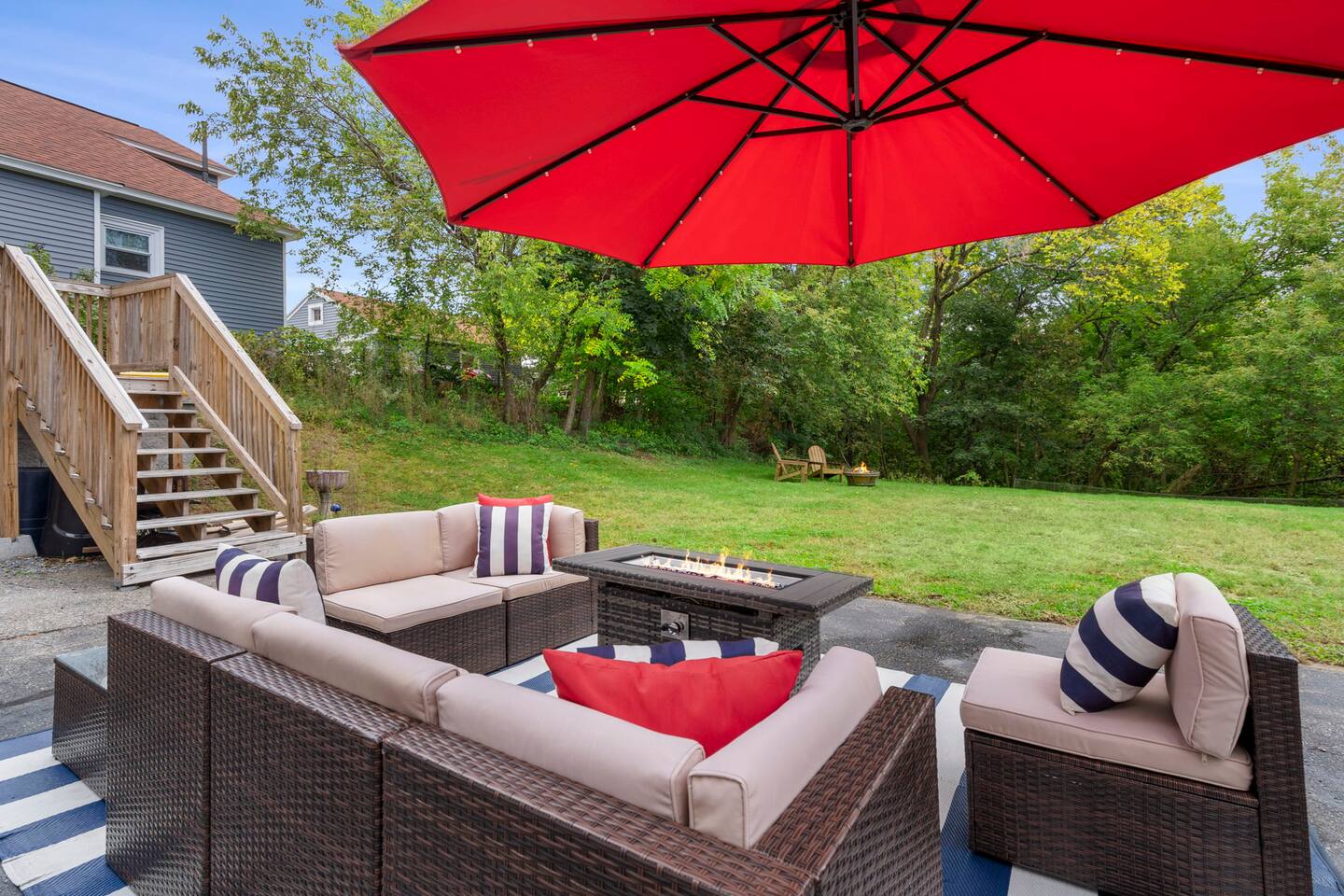
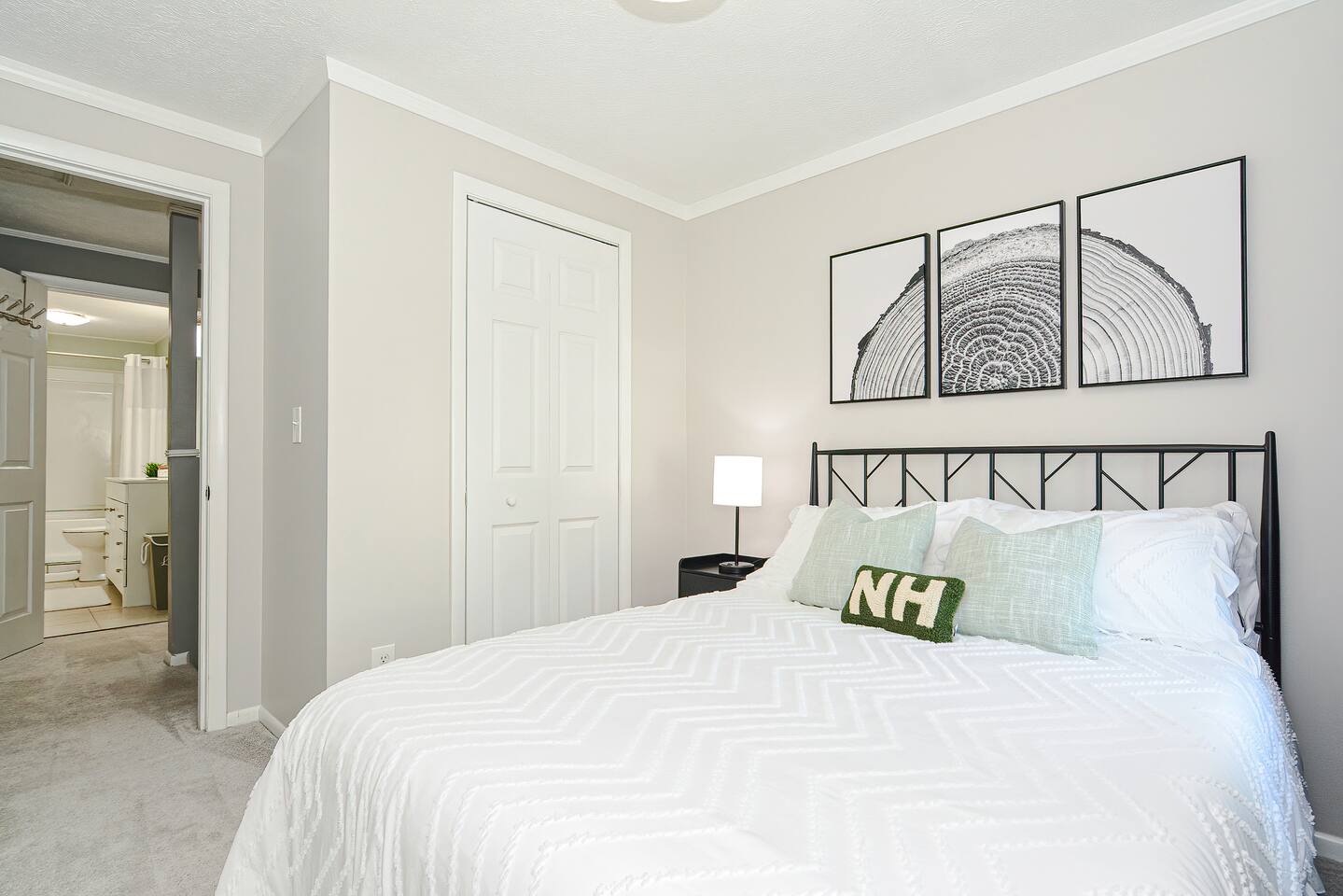
New England Host Co manages a modern 3-bedroom, 2-bath home three minutes from Okemo Mountain in Ludlow (see the listing). Its crews do housekeeping and an inspection after every stay, pricing is reviewed daily in PriceLabs, and every home must be within 45 minutes of its crew's base. For more on getting started, see the owner hub or the other property types.
FAQ
Do I Need a Permit to Rent My Ski Home?
It depends on the town. As of October 2026, Killington requires annual registration, Stowe requires a license for each unit under a capped system, Lincoln requires registration and Franconia requires an annual permit with a safety inspection. Check with the town before you list.
How Many Guests Can a Vermont Ski Rental Sleep?
Vermont's Division of Fire Safety sets 8 persons or less for a rented single dwelling unit unless it approves more in a report, and the water and wastewater system must be able to serve the number you advertise.
Does Airbnb Collect Rooms Tax on Vermont Ski Rentals?
Vermont's Department of Taxes says platforms like Airbnb collect the rooms tax, the 3% surcharge and any local option tax on bookings made through them. Direct bookings are yours to file.
When Is the Slow Season for a Ski Home?
Spring mud season, after the lifts close and before summer, is usually the quietest stretch. Use it for repairs and updates.
This page is general information as of October 2026, not legal or tax advice; check with the town or a professional before you list.
Sources
- Okemo Mountain Resort, Mountain Info
- Killington Resort, Winter Visits
- Town of Killington, Short-Term Rental
- Stowe Mountain Resort, Mountain Info
- Town of Stowe, Short-Term Rental Registration
- Town of Stowe, Short-Term Rental Ordinance (July 2026)
- VTDigger, After years of debate, Stowe caps short-term rentals
- Loon Mountain Resort
- Town of Lincoln, Short-Term Rental Department
- Cannon Mountain, Mountain Stats
- Town of Franconia, STR Permit Application
- Waterville Valley Resort
- Bretton Woods
- RSA 78-A:6, Imposition of Tax (NH General Court)
- RSA 78-A:3, Definitions (NH General Court)
- Vermont Department of Taxes, Short-Term Rentals
- Vermont Division of Fire Safety, Short-Term Rental / Transient Lodging
- Vermont DEC, Short-Term Rental Drinking Water and Wastewater Systems Guidelines