
Inspection vs Cleaning: Why Both
The guest-ready checklist asks whether the home is clean and set up. An inspection asks a different question: is anything damaged, broken, unsafe, missing or about to fail? The two are easiest to do at the same visit, while the house is empty and before the next guest's things are in it.
Three reasons the inspection matters:
- Damage claims have time limits. Platforms set windows for reporting guest damage, and they expect evidence. A dated photo taken right after checkout is far stronger than one taken a week later. Check your platform's current rules for how long you have.
- Small failures get expensive. A drip under a sink, a running toilet on a septic system, or a furnace filter left too long are cheap to fix on day one.
- Safety equipment goes missing. Smoke alarms get unplugged because they chirped, extinguishers get moved, batteries get borrowed for a remote.
How to Run It
- Walk the house in the same order every time, so nothing gets skipped.
- Photograph every room as found, before cleaning starts, and again any damage close up with something for scale.
- Note each issue with the room, the item, what is wrong and whether it blocks the next arrival.
- Sort issues into three groups: fix before the next guest, fix this week, add to the off-season list.
- Keep the dated checklist and photos together for each stay.
Exterior and Arrival
- Driveway, walk and steps: no new cracks, heaves or loose boards; in winter, safe footing.
- Railings on steps and decks solid; no loose balusters.
- Entry lock or keypad working, battery strong, door closing and latching fully.
- Exterior lights working.
- Siding, windows and screens: no new damage.
- Gutters and downspouts attached; no ice dams forming in winter.
- Trash area secured against animals (bears and raccoons are a real issue in parts of NH and VT).
Kitchen
- Every appliance turns on and works: stove burners, oven, microwave, dishwasher, fridge and freezer temperatures.
- No leaks under the sink; check the cabinet floor for water staining or swelling.
- Garbage disposal working if you have one (many septic homes should not).
- Countertops and cabinet doors: chips, burns, broken hinges.
- Inventory: count of plates, glasses, cutlery, pans and knives against your list.
- Small appliances (coffee maker, toaster, kettle) working and with cords intact.
Bathrooms
- Toilets flush fully and stop running; no rocking at the base.
- Faucets and shower valves do not drip; drains run freely.
- Caulk and grout intact around tubs and showers; no soft spots in the floor.
- Exhaust fan working (moisture control matters in a closed-up winter house).
- Towel bars, toilet paper holders and shower rods secure.
Bedrooms and Living Areas
- Mattresses and mattress protectors: stains, tears, signs of pests.
- Furniture: broken legs, loose frames, wobbly bunk ladders and rails.
- Walls, doors and floors: holes, scuffs, new scratches, stains on rugs.
- Window locks working; bedroom windows open far enough to escape through.
- Electronics: TV, streaming device and Wi-Fi router present and working.
- Blinds, shades and curtains intact.
- Lamps and bulbs working.
Safety Equipment
- Smoke alarms present in each required location and tested with the test button.
- Carbon monoxide alarms present and tested.
- Fire extinguishers present, in their places, gauge in the green.
- In Massachusetts, the required posting of extinguisher, gas shut-off, fire exit and fire alarm locations still in place.
- In Vermont, the Short-Term Rental Checklist still posted where guests can see it.
- First aid kit stocked; flashlight working.
New Hampshire law (RSA 153:10-a) makes the owner of a rental unit responsible for maintaining its fire warning and carbon monoxide devices in suitable condition. Massachusetts and Vermont have their own rules; our insurance and safety guide covers all three.
Heat, Water and Mechanical Systems
- Thermostats at the right settings; heat actually running in every zone.
- Oil tank or propane gauge above your refill trigger.
- Furnace or boiler area clear of stored items; no new odors or soot.
- Water heater: no leaks or rust at the base.
- Well homes: pressure normal, no air spitting from faucets.
- Septic homes: no slow drains, gurgling or odors near the tank or leach field, and nothing flushed that should not be (put a sign in each bathroom).
- Washer hoses and dryer vent: no leaks, lint vented outside.
Outdoor Amenities
- Hot tub: cover intact and locked, water chemistry tested and logged, no cracked steps or loose rails.
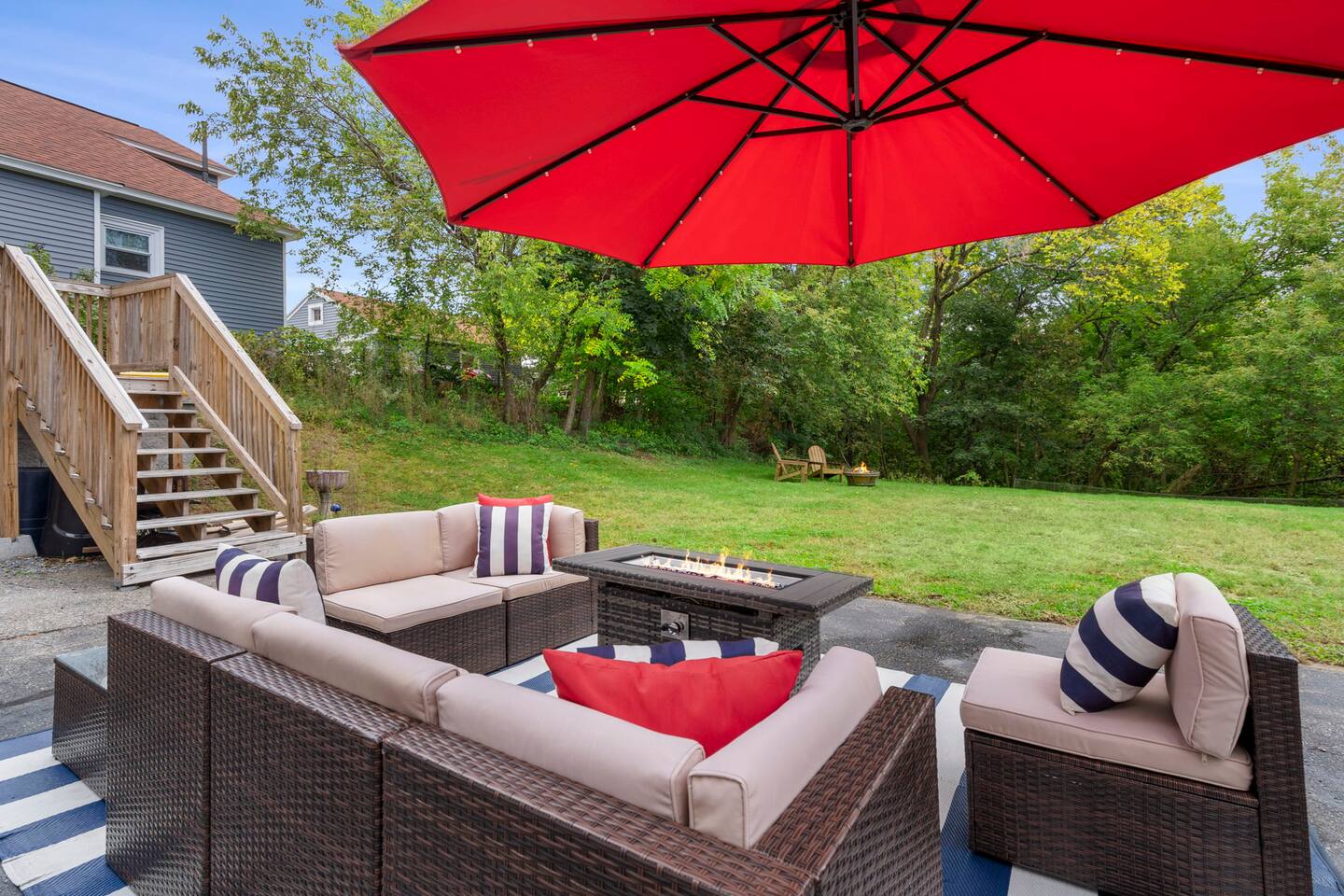
- Fire pit: no live coals, area clear, extinguishing bucket or extinguisher in place.
- Grill: burners lighting, propane tank secure, grease tray emptied.
- Docks, boats and kayaks: count of boats, paddles and life jackets; dock boards and cleats secure; any damage photographed.
- Sauna: heater guard in place, benches sound, nothing stored near the heater.
Seasonal Inspections
Do these twice a year in addition to the per-stay checks.
Before winter (October to November)
- Furnace or boiler serviced; chimney and wood stove inspected and swept.
- Snow removal contract confirmed; plow stakes in.
- Outdoor faucets shut off and drained; hoses stored.
- Generator tested if you have one; low-temperature alert working.
- Roof and gutters cleared of leaves.
Before summer (April to May)
- Screens repaired; AC or mini-splits cleaned.
- Deck checked for rot and loose fasteners after the freeze and thaw.
- Dock and lake gear put back and inspected.
- Septic pumping schedule checked.
More on cold-weather readiness is on our winter rental management page.
Who Does the Inspection
If you live near the home, you can do it yourself at each turnover. If you do not, the inspection usually happens with the cleaning visit. New England Host Co does an inspection after every stay, at the same visit as housekeeping, and coordinates repairs with local vendors; the owner pays for repairs, with an approval threshold agreed with each owner. See inspections and maintenance coordination, or go back to the Renting Out Your Home on Airbnb in New England hub.
FAQ
How Often Should a Vacation Rental Be Inspected?
After every stay, plus two seasonal inspections a year, before winter and before summer.
Should the Cleaner Also Do the Inspection?
It is efficient to do both at the same visit, but give the inspection its own checklist and photos so it does not get rushed.
What Should I Do If I Find Guest Damage?
Photograph it right away with the date, note when the guest checked out, and report it through the platform's own process within its deadline. Do not ask for payment outside the platform.
Who is responsible for smoke and CO alarms in a New Hampshire rental?
RSA 153:10-a makes the owner of the rental unit responsible for maintaining the fire warning and carbon monoxide detection devices.