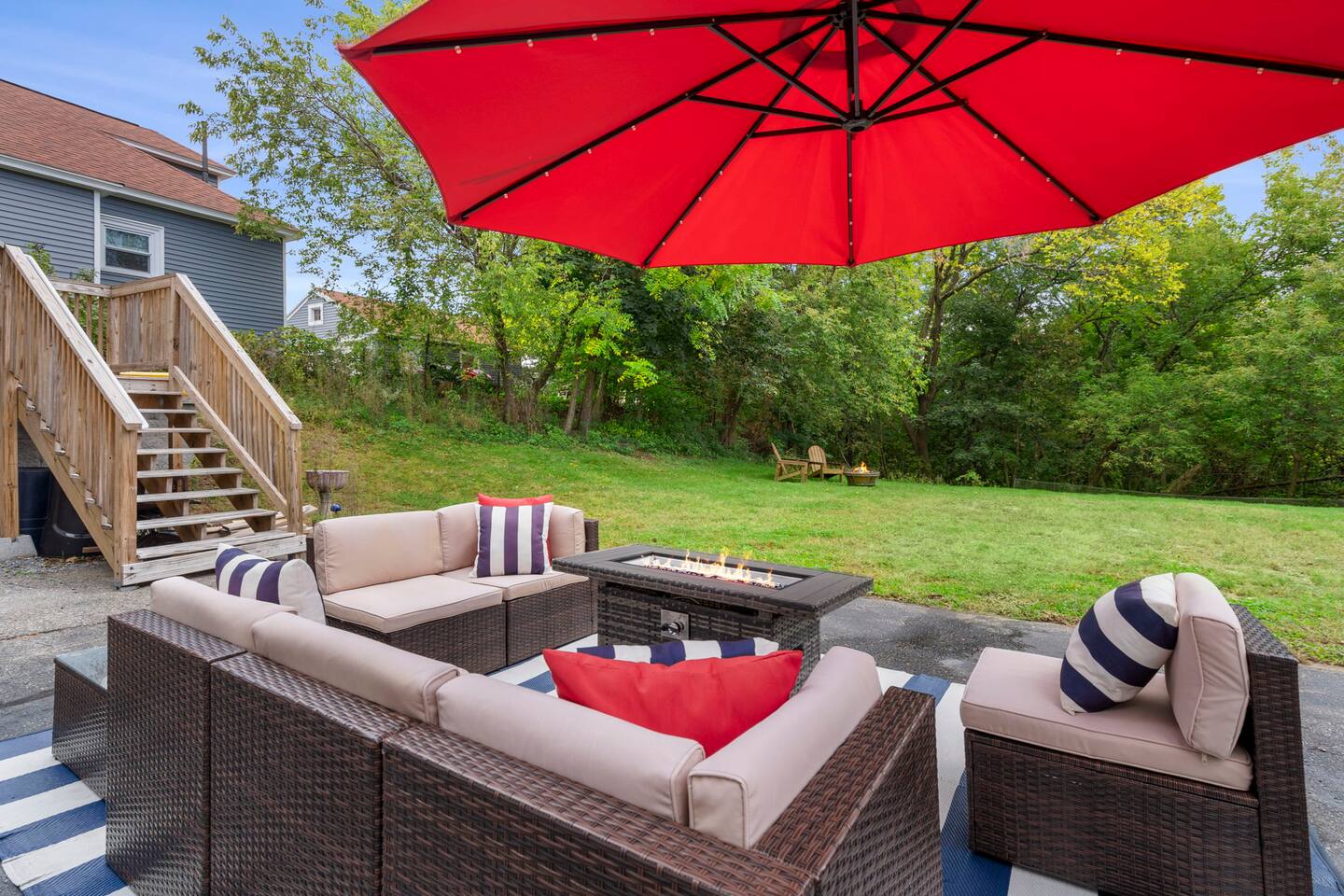

What Guests Want from a Cabin
Cabin guests are buying quiet and a setting: hiking in summer, foliage in fall, snowshoeing and a fire in winter. They forgive a small kitchen, not a road they cannot drive or a cold house.
Cabins differ from ski homes in one way that matters: guests are not tied to a lift schedule, so they book more evenly across the year, but they also expect the place to work in every season the listing shows.
The Road: Who Plows It, and Can a Car Get There?
Many mountain cabins sit on roads the town does not maintain. Read the road status before you buy or list.
New Hampshire Class VI Roads
RSA 229:5 defines Class VI highways as all other existing public ways, including highways discontinued as open highways and made subject to gates and bars, and highways the town has not maintained and repaired in suitable condition for travel for 5 successive years or more. Among the conditions RSA 674:41 sets for building on a Class VI highway is a recorded waiver acknowledging that the municipality will not maintain the highway or provide services.
Vermont Class 4 Roads
In Vermont, 19 V.S.A. section 302 defines Class 3 town highways as negotiable under normal conditions all seasons of the year by a standard manufactured pleasure car. Class 4 highways are all town highways that are not Class 1, 2 or 3. Under section 310, a town may maintain a Class 4 highway to the extent required by the necessity of the town, the public good and the convenience of its inhabitants.
Private Roads and Shared Driveways
A cabin on a private road may depend on a road association or a neighbor's plow. Get the arrangement in writing, and find out who sands it.
What to tell guests. If the road is steep, unpaved or seasonal, say so in the listing and the booking confirmation: what vehicle the road needs in winter and mud season, where to park if the last stretch is impassable, and that GPS may route them onto roads that are closed in winter. Some owners only open winter dates once the road is reliably plowed.
Heat: Wood Stoves, Propane and Backup
Many cabins rely on a wood stove, propane or oil.
- Wood stoves and fireplaces. Vermont's Division of Fire Safety requires clear usage instructions and a metal ash bin with a lid if guests may use a wood-fired stove or fireplace. That is good practice in New Hampshire too. Decide whether guests may use the stove at all; some owners lock it and rely on central heat.
- Inspections. Vermont also requires oil, gas, wood, pellet and kerosene heating systems to be cleaned and maintained to manufacturer's instructions and inspected at least once every two years by a certified fuel technician or chimney sweep.
- Fuel deliveries. A missed propane or oil delivery in January leaves guests cold and can freeze pipes. Set up automatic delivery and a low-temperature alert.
- Outdoor fires. In New Hampshire, RSA 227-L:17 requires written permission from the forest fire warden for most outdoor fires, and camp fires need written permission from the landowner and the warden unless they are in a designated camping area with approved fireplaces. In Vermont, ask the town fire warden. Give guests written fire pit rules or do not offer one.
Water and Wastewater: Wells and Septic
Most cabins are on a private well and a septic system, and both have limits.
- Well testing. The Vermont Department of Health recommends testing private water with its Homeowner Testing Package every five years and for bacteria every year. In New Hampshire, ask NHDES or a state-accredited lab what to test for. Keep the results with your rental records.
- Septic capacity. Vermont's Department of Environmental Conservation says systems are typically designed for two people per bedroom up to three bedrooms, and one per bedroom from the fourth, and that a short-term rental may not advertise sleeping space for more people than its water and wastewater system can serve. Adding beds to a porch or loft counts as adding a bedroom, which needs a permit. Its guidance lists cabins, huts and seasonal camps among the buildings covered.
- Guest instructions. Post what not to flush.
- Seasonal water. Some camps run on lake or spring water in summer only. If the water shuts off in winter, the listing must say so, or the cabin should close.
Internet and Phone Service
Many mountain areas have weak cell coverage. Before listing, test the actual connection at the cabin, not the provider's coverage map. If there is no reliable cell signal, provide a landline or Wi-Fi calling and write the address and emergency directions in the house manual. If the internet is slow, say so.
Seasonal Checklist for a Cabin
| Season | Main jobs |
|---|---|
| Spring (mud season) | Check the road and culverts, inspect the roof, test the well, book repairs |
| Summer | Screens, bugs, mowing, fire rules for guests, deck and railing checks |
| Fall | Chimney or stove inspection, firewood stocked, gutters cleared, fuel tank filled |
| Winter | Plowing and sanding, roof snow, low-temperature alert, vents kept clear |
Our winter rental management page covers the winter routine in more detail.
Where Cabins Rent
In New Hampshire, the White Mountains draw hikers and leaf-peepers to towns such as Lincoln, Franconia, Jackson and Bartlett. In Vermont, the Green Mountains run the length of the state; the Upper Green Mountains around Stowe and Waterbury are one example. Check each town's short-term rental rules before you list, since several mountain towns now require registration or permits.
Where New England Host Co Fits
New England Host Co's crews do housekeeping and an inspection after every stay, at the same visit, and every home it manages must be within 45 minutes of its crew's base, which matters for a cabin at the end of a long road. Repairs, fuel and utilities stay with the owner, with repairs coordinated by the company. Start at the owner hub or see other property types.
FAQ
Can I Rent a Cabin on a Class VI Road?
Possibly, but the town does not maintain it. RSA 229:5 defines Class VI roads as unmaintained public ways, and building on them involves a recorded waiver of town maintenance under RSA 674:41. Check town rules and tell guests exactly what the road is like.
Do Vermont Cabins Need Special Rules for Wood Stoves?
Yes. The Division of Fire Safety requires written usage instructions and a lidded metal ash bin if guests may use a wood stove or fireplace, and heating systems inspected at least once every two years.
How Often Should I Test the Well Water?
The Vermont Department of Health recommends bacteria every year and its Homeowner Testing Package every five years. In New Hampshire, ask NHDES or an accredited lab.
How Many Guests Can a Cabin Sleep?
No more than its septic and water system can serve, and in Vermont, 8 persons or less unless the Division of Fire Safety approves more. Count beds in lofts and porches as bedrooms.
This page is general information as of October 2026, not legal advice; check with the town or a professional before you list.
Sources
- RSA 229:5, Classification of Highways (NH General Court)
- RSA 674:41, Erection of Buildings on Streets (NH General Court)
- 19 V.S.A. section 302, Classification of town highways (Vermont Legislature)
- 19 V.S.A. section 310, Class 4 highways (Vermont Legislature)
- RSA 227-L:17, Fire Permits (NH General Court)
- Vermont Division of Fire Safety, Short-Term Rental / Transient Lodging
- Vermont Department of Health, How to Test Your Drinking Water
- Vermont DEC, Short-Term Rental Drinking Water and Wastewater Systems Guidelines